

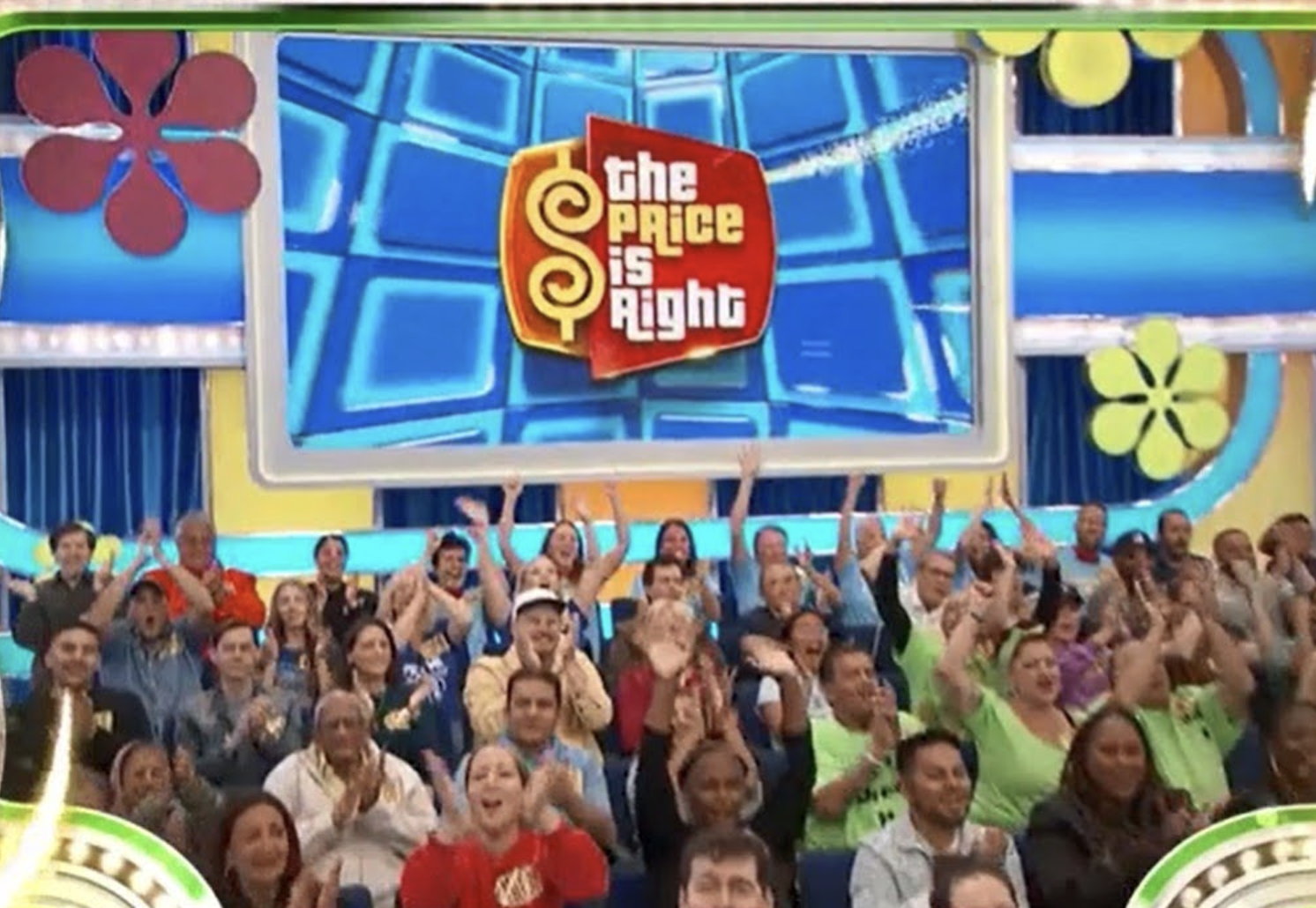
“The Price Is Right” just can’t catch a break. Fans of the long-running CBS game show are calling foul after the debut of its flashy new segment The Lion’s Share — accusing host Drew Carey of fronting what they claim is a “rigged” and “predetermined” game.
Carey, 67, proudly introduced the segment during the September 22 episode, hyping it as “the greatest game we’ve ever had.” But many viewers at home didn’t exactly share his excitement.
In The Lion’s Share, contestants guess the price of everyday household items to earn five out of 40 numbered balls that swirl around inside a giant air chamber. Each ball corresponds to a mystery prize revealed on a digital screen — and in its premiere round, the player scored big, walking away with a trip to Tokyo, a hot tub, electric guitars, and some cash.
But fans online immediately cried foul, arguing the whole thing seemed “staged.”
“I call predetermined BS on this game,” one outraged viewer wrote. “Unless they show what’s behind every unpicked number, it’ll always feel like a scam.”
Another complained that producers never revealed the full list of possible prizes: “The fact they don’t even tell you what all the available prizes are is sketchy to begin with.”
While social media is ablaze with accusations of favoritism and manipulation, insiders say Carey isn’t sweating it. The comedian-turned-quizmaster has been living it up between tapings — reportedly partying in Las Vegas until sunrise at an EDM festival back in May.
Weeks later, the funnyman was spotted having a cozy lunch with former Penthouse model Niki Skyler, 37, sparking speculation about a new romance.
Despite the controversy, CBS has yet to comment on whether The Lion’s Share will stay in rotation — or get quietly pulled from future episodes. But as far as die-hard fans are concerned, “The Price Is Right” might’ve just gambled — and lost — with its own credibility.
In today’s America, pretty much EVERYTHING is a “rigged game.” Just look at CEO competition. CEO #1 sits on the board of Company #2. CEO #2 sits on the board of Company #3. CEO #3 sits on the board of Company #1. CEO #1 votes to increase the compensation of CEO #2. CEO #2 votes to increase the compensation of CEO #3. CEO #3 votes to increase the compensation of CEO #1. NONE of them vote for each DIRECTLY RECIPROCALLY, but it’s ALL the SAME.
OOPS. I meant CEO compensation, not “competition.”
Thanks Sooooooo Much for the Great Laugh of the Day! No i don’t mean the Article, I mean Anonymous Comments! The Best Laugh Out Loud! I’ll carry that all day! Oh Yes by the way, Right On! 🐨