

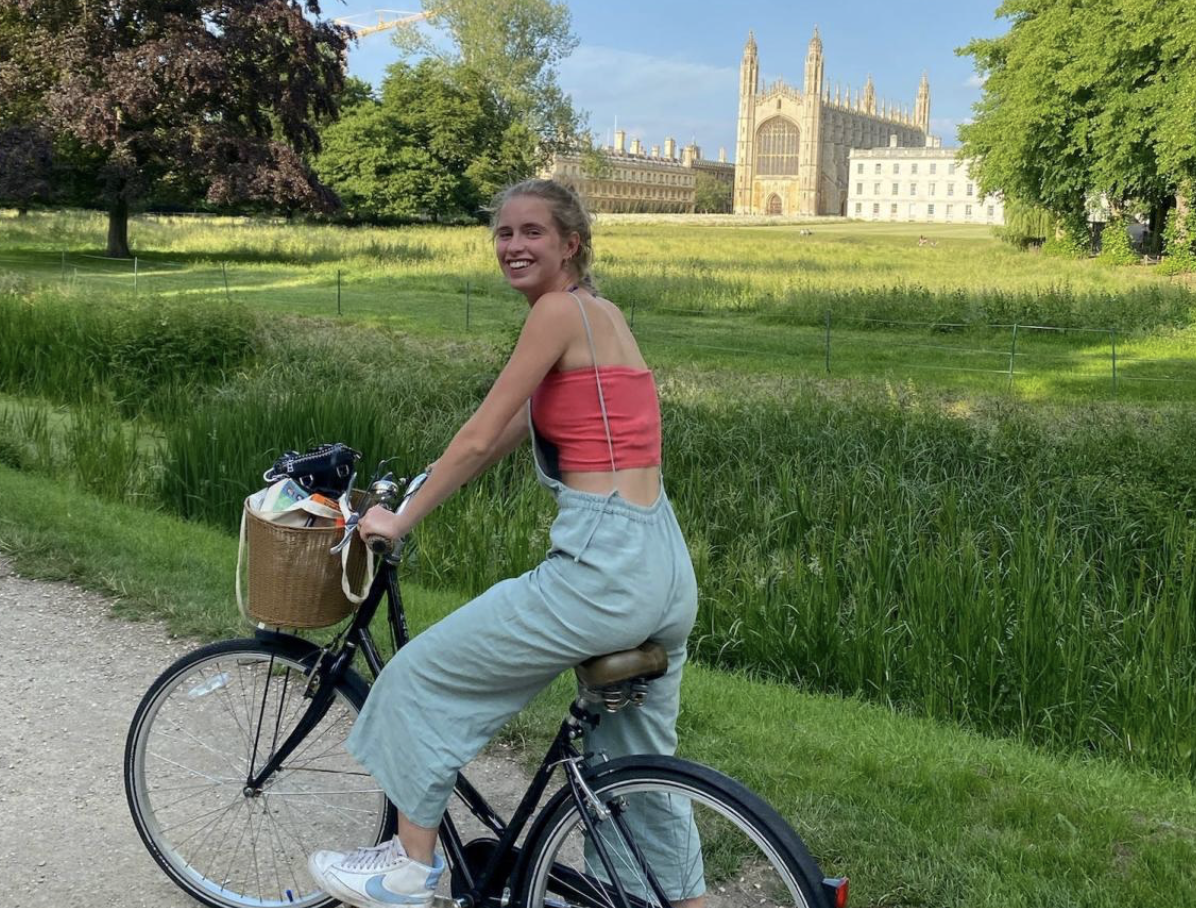
Clarissa Nicholls was young, athletic, and full of life. But during what should have been a peaceful hike in southern France, the 20-year-old University of Cambridge student collapsed and died without warning — the victim of a little-known heart condition that often strikes silently.
Her parents, Hilary and Simon Nicholls, say the tragedy still feels impossible to comprehend. “She was supremely active — one of the fittest, healthiest, most energetic girls you’d ever meet,” her mother told The Times. “To lose her like that… it doesn’t make sense.”
Doctors determined that Clarissa suffered from arrhythmogenic cardiomyopathy (ACM) — a rare and often hereditary condition where the heart muscle is replaced by scar tissue and fat. The disease disrupts normal heart rhythms, sometimes causing sudden cardiac arrest during exercise or stress.
It’s estimated that 1 in 250 people live with ACM — but many have no idea they have it until it’s too late. Routine heart screenings could detect it early, experts say, but such tests are rarely done for young, seemingly healthy individuals.
“She didn’t have any symptoms,” Hilary explained. “That’s what makes this so terrifying. You think if you’re fit, you’re safe. But that’s not always true.”
Refusing to let their daughter’s death be in vain, the Nicholls family — alongside Clarissa’s close friends Izzy Winter and Jess Reeve — launched Clarissa’s Campaign, an initiative to fund early heart screenings for young people.
Their efforts raised over £100,000 (around $133,000) in partnership with Cardiac Risk in the Young (CRY), a UK-based charity that provides free heart testing for students. So far, more than 400 Cambridge students have been screened, and 42 of them required additional follow-up exams for potential heart issues.
“These are the first screenings I’ve been part of, and everyone who’s come along has been so appreciative,” Hilary said. “Cambridge has been brilliant in supporting this. I believe there’s real will to keep it going.”
Cardiologists say Clarissa’s story underscores a growing crisis in youth heart health. In the United States, doctors are seeing similar trends — young adults arriving in clinics with elevated blood pressure, high blood sugar, and early signs of heart disease.
“I frequently care for people in their early 20s who are already showing serious cardiovascular risk factors,” said Dr. Jewel Scott, a primary care nurse practitioner and health researcher. “The idea that heart disease only affects older people is a dangerous myth.”
According to Dr. David Jacobs, a public health professor at the University of Minnesota, the problem starts early. “Most children are born with healthy hearts,” he said, “but by adolescence, much of that advantage is lost. Less than five percent of U.S. children enjoy ideal cardiovascular health.”
Experts warn that today’s sedentary lifestyles — coupled with vaping, alcohol, and poor diet — are accelerating heart decline among young Americans. Even those who look fit, like Clarissa, could be living with undetected risks.
Her mother hopes that message will save lives. “If we can prevent just one other family from going through what we’ve been through, then Clarissa’s spirit will live on,” she said.
Clarissa’s Campaign continues to expand, calling for mandatory heart screenings in schools and universities — because, as her family now knows all too well, youth and fitness aren’t always enough to protect a heart.
God rest her soul, prayers for her family.
So Sad, but is it related to the Covid shot?