

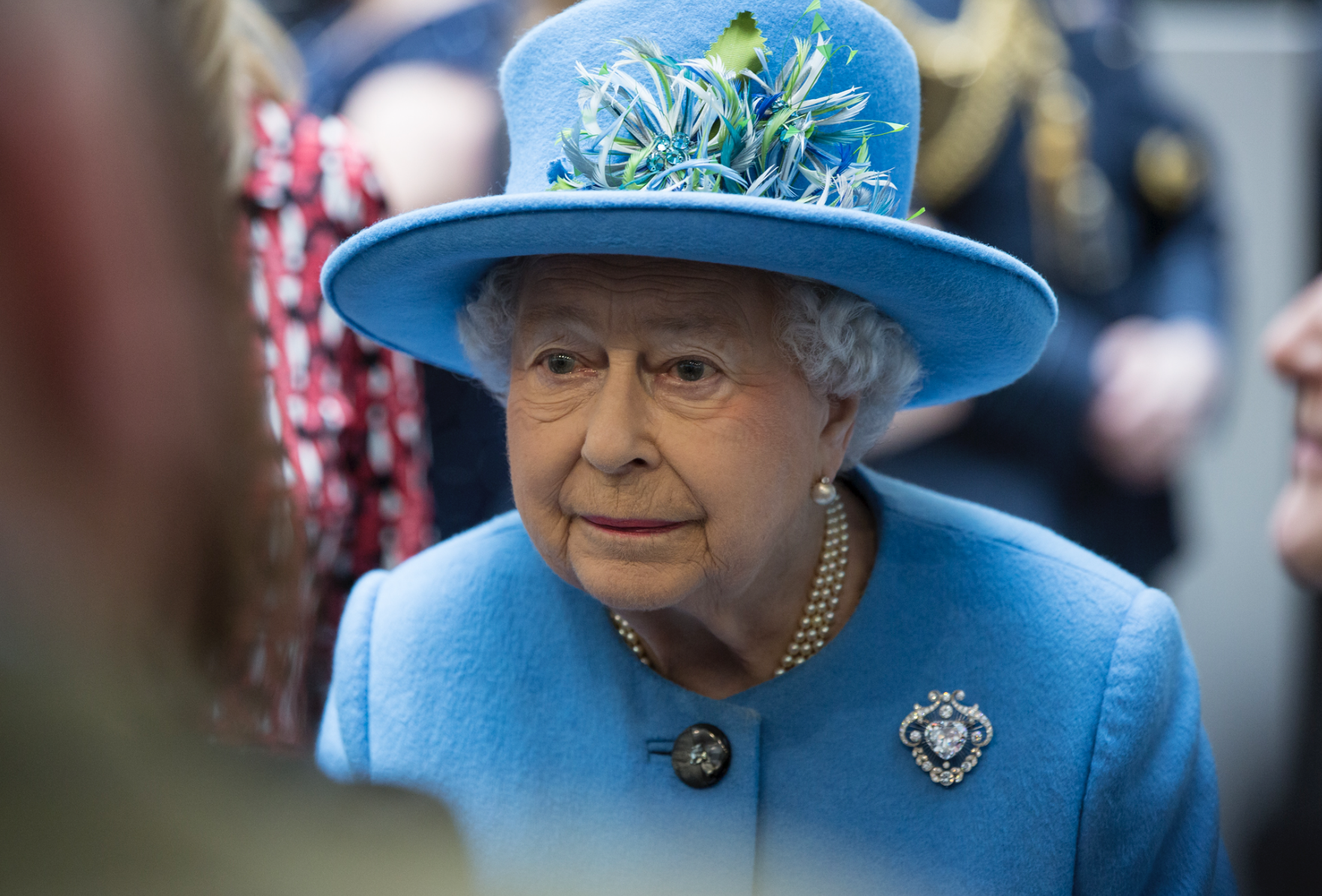
A shocking new royal tell-all claims Queen Elizabeth II quietly despised the idea of changing royal succession laws to let princesses inherit the throne before their younger brothers.
According to Power and the Palace by royal correspondent Valentine Low, the late monarch, who died in 2022 at 96, wasn’t thrilled about the 2013 Succession to the Crown Act—a historic reform that made the eldest child, regardless of gender, the next in line to rule.
Behind palace walls, Elizabeth reportedly “dragged her heels” on approving the change and only agreed when it became politically impossible to resist.
“She was deeply traditional and didn’t like tampering with royal custom,” a senior palace source told Low. “The Queen saw her role as preserving, not reforming. In private, she called it unnecessary meddling.”
The book claims that then–Prime Minister David Cameron pushed the reform ahead of a 2011 Commonwealth summit, right after Prince William and Kate Middleton’s wedding. Cameron even floated the idea to then–Australian PM Julia Gillard, saying, “William and Kate are getting married, there’s going to be kids—shall we sort this out?”
While Buckingham Palace didn’t openly oppose the move, the Queen reportedly showed “no great eagerness.” She insisted the decision rest with the government and the 15 other Commonwealth realms, distancing herself from the debate.
“She didn’t think the public was clamoring for it,” said another royal insider. “Her Majesty hated the idea of constitutional tinkering and feared it would open the door to more political change.”
The book also reveals that then-Prince Charles was “frustrated” after being kept out of the talks. Palace officials allegedly instructed the government to deal only with the Queen—shutting out Charles and William completely.
When Charles later questioned officials about the new law, word leaked to the press, sparking rumors he had “serious reservations.” Cabinet Secretary Jeremy Heywood reportedly told aides that Charles was “in the doghouse” for the incident.
Ultimately, Queen Elizabeth’s hesitation wasn’t about sexism, insiders say—it was about preserving what she saw as the monarchy’s sacred order.
“She believed her duty was to uphold the framework she inherited,” said one former royal adviser. “Letting princesses outrank princes went against her instincts. She accepted it—but she never embraced it.”
Now, with Prince William next in line to the throne, the Queen’s long-held fears about royal reform may finally fade into history. But her private doubts offer a revealing glimpse into the mind of Britain’s longest-reigning monarch—one who ruled through change, yet never stopped yearning for the old ways.