

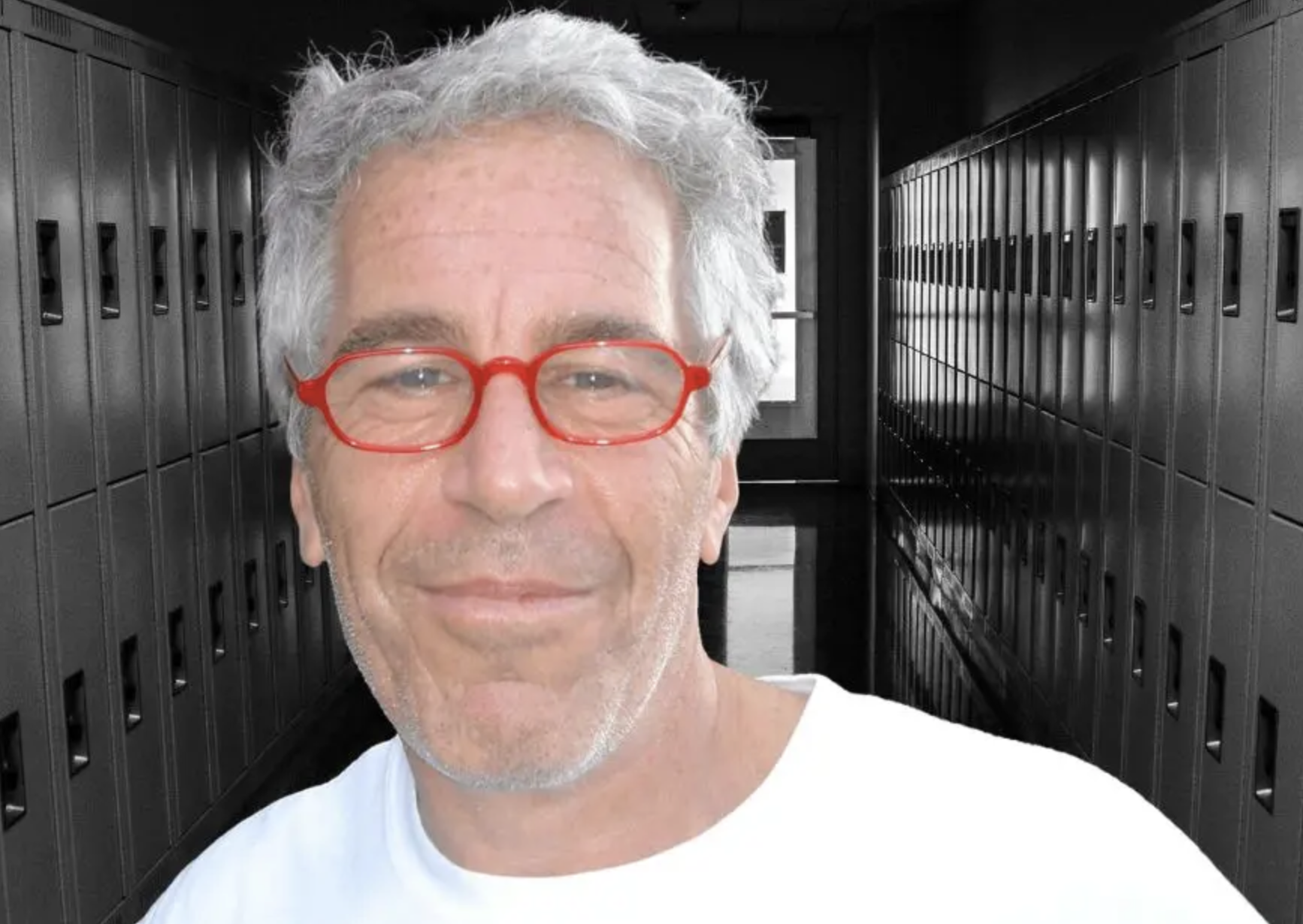
A chilling new paper trail is raising fresh questions about what Jeffrey Epstein may have hidden—and what authorities may have missed.
According to newly surfaced documents, the disgraced financier allegedly stashed computers, photos, and sensitive records inside secret storage lockers scattered across the United States. And here’s the part that’s turning heads: some of those units may have never been searched.
The materials, uncovered through investigator records and emails, suggest Epstein quietly moved key evidence out of reach years before law enforcement closed in.
The documents paint a calculated picture.
In the mid-2000s, as police scrutiny intensified around Epstein’s Palm Beach mansion, he reportedly arranged for private investigators to remove computers and paperwork from the property ahead of a looming search warrant.
Those items didn’t just disappear—they were allegedly transferred into rented storage units across multiple states, including Florida and New York.
Some of the equipment is believed to have come from Epstein’s private Caribbean island, Little Saint James, adding another layer of intrigue to what may have been preserved off-site.
Financial records show Epstein paid for at least six storage facilities, with some payments stretching back to 2003—and continuing for years afterward.
One message, sent in August 2009 by private investigator Bill Riley, offers a rare and revealing glimpse into what was happening behind the scenes.
“I have them locked in storage and would like to know what to do with them,” Riley wrote, referring to computers and paperwork taken from Epstein’s home before police could access them.
The email, addressed to Epstein and his legal team, suggests the removal of materials was not only deliberate—but coordinated.
Even more striking, additional documents indicate Epstein ordered hard drives stored in those units to be cloned. What happened to those copies remains unclear.
Long before these documents surfaced, investigators suspected something wasn’t right.
Former Palm Beach police chief Michael Reiter, who led early efforts into Epstein’s activities, previously said the financier’s home appeared unusually empty during a 2005 raid.
“The place had been cleaned up,” he recalled—adding that key computer equipment seemed to be missing.
Now, these newly revealed records appear to back up those suspicions.
Despite sweeping searches of Epstein’s properties following his 2019 arrest—including his Manhattan townhouse and private island—there is no clear record that authorities ever examined the external storage units tied to him.
Photos believed to be from inside one such unit show boxes stacked with electronics, documents, and household items—potentially untouched for years.
Emails from Epstein’s inner circle also reference relocating computers and CDs into off-site storage, with some materials possibly dating back even earlier than the bulk of Epstein-related emails made public.
Federal officials have repeatedly said there is no evidence Epstein maintained blackmail files on powerful figures.
But the existence of these off-the-grid storage lockers—combined with the possibility they were never searched—continues to fuel speculation about what might still be hidden.
And now, with fresh documents surfacing years after Epstein’s death in 2019, one question lingers:
What, exactly, is still sitting behind those locked doors?