

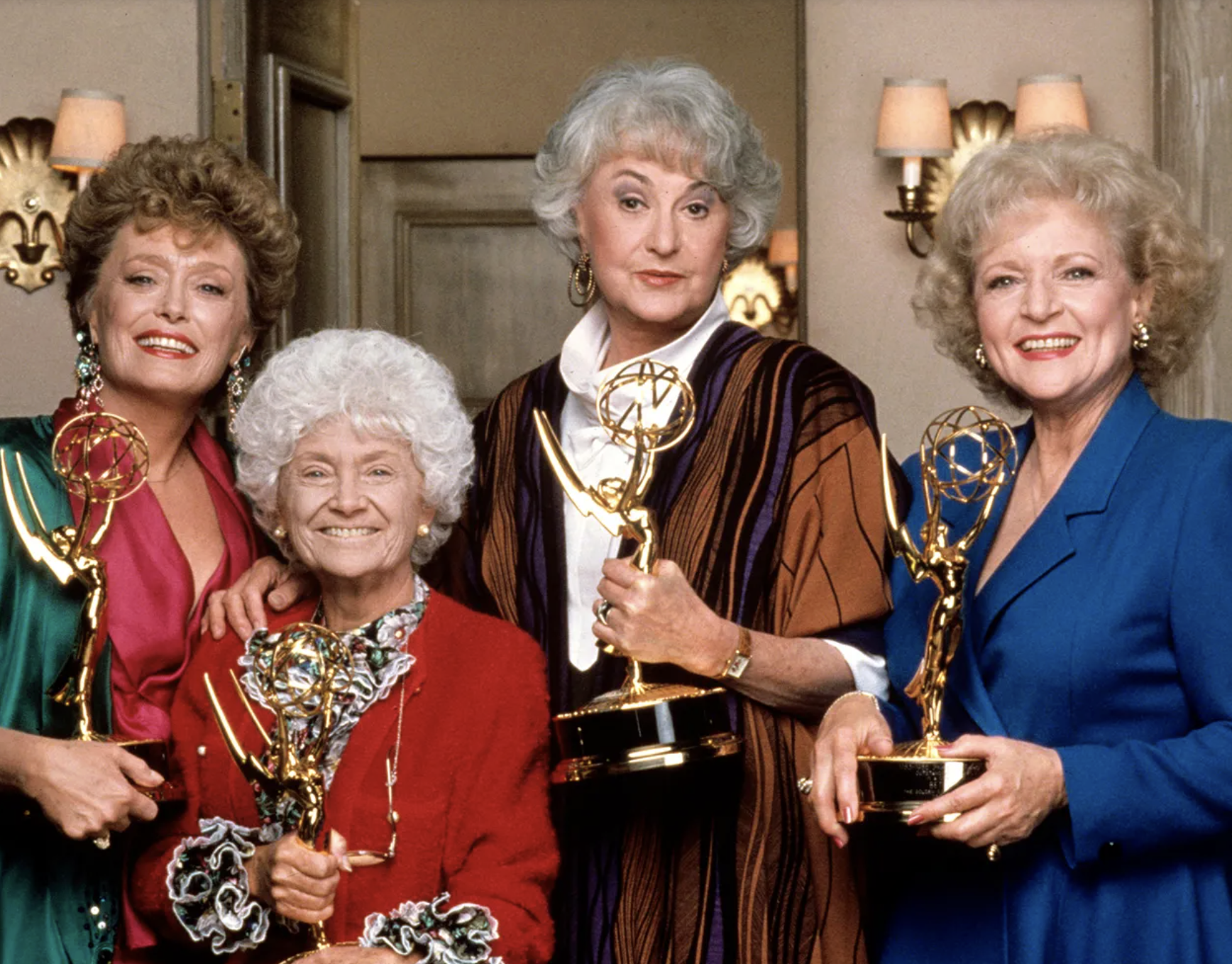
Betty White was beloved by generations of fans for her warmth, humor, and timeless charm. When the legendary actress and animal welfare advocate died of natural causes at age 99 on December 31, 2021, the world mourned the loss of a cultural icon.
In the years since her death, many fans have revisited The Golden Girls, the groundbreaking sitcom that helped cement White’s place in television history. The show, which aired from 1985 to 1992, followed four older women sharing a home in Miami and became famous for its sharp wit, heartfelt moments, and progressive storylines.
But while the series projected warmth and friendship on screen, insiders say the atmosphere behind the scenes was far more complicated.
Sources familiar with the production say tensions simmered among the cast, particularly between White and co-star Bea Arthur. According to people who worked on the show, Arthur openly disliked some of White’s behavior during tapings, especially moments when White would interact with the live studio audience or break character. Some insiders also believed resentment grew when White received louder applause during cast introductions.
Several writers and producers have offered different explanations for the rift, but many agree it was persistent. One staff writer claimed Arthur felt White was insincere, describing her as more calculating than the sweet, naïve character she portrayed on the show. Others suggested Arthur’s naturally serious personality clashed with White’s more cheerful, accommodating demeanor.
The tension was reportedly so intense that Arthur allegedly used a deeply offensive slur when referring to White in private conversations. A co-producer recalled Arthur repeatedly using the term in phone calls and even during dinner parties, despite being urged to let the feud go.
Adding to the show’s turbulent legacy were controversies sparked by its bold storytelling. One episode, which centered on Blanche’s brother coming out as gay and planning to marry his partner, aired in 1991 — years before same-sex marriage was legal. The episode was widely praised for its courage, but it also triggered fierce backlash.
The writer behind the episode later revealed that he and his writing partner received death threats after it aired. Network executives reportedly warned them about the threats, though the writer brushed them off, saying it was part of pushing boundaries in television at the time.
Despite the conflicts, threats, and personal animosities, The Golden Girls remains one of the most beloved sitcoms in TV history. For many fans, the behind-the-scenes drama only adds another layer of intrigue to a show that was far more complex than it appeared.
Sources:
RadarOnline.com
Interviews and recollections from former Golden Girls writers, producers, and cast members
Public statements by Marc Cherry and show insiders